How to Set Up RemoteIoT VPC SSH Download on Windows 10: The Ultimate Guide
 William Brown
 Are you looking to set up RemoteIoT VPC SSH on your Windows 10 device? If so, you're in the right place. This comprehensive guide will walk you through every step of the process, ensuring a seamless setup experience. Whether you're a beginner or an advanced user, this article will provide all the necessary information to get your system configured correctly.
As more businesses and individuals rely on remote access solutions, understanding how to configure tools like RemoteIoT VPC SSH becomes essential. This setup allows you to securely connect to your virtual private cloud (VPC) from anywhere in the world, providing flexibility and convenience.
In this article, we'll explore everything you need to know about RemoteIoT VPC SSH, including the download process, installation steps, troubleshooting tips, and best practices. By the end of this guide, you'll have a solid understanding of how to implement this solution effectively on your Windows 10 machine.
Table of Contents:
- Introduction to RemoteIoT VPC SSH
- Why Use RemoteIoT VPC SSH?
- Step-by-Step Setup Guide
- Installation Process
- Configuration Tips
- Troubleshooting Common Issues
- Security Best Practices
- Optimizing Performance
- Frequently Asked Questions
- Conclusion and Next Steps
Introduction to RemoteIoT VPC SSH
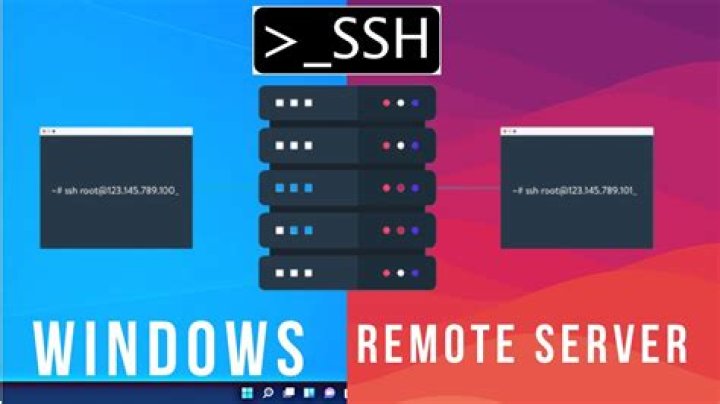
RemoteIoT VPC SSH is a powerful tool that enables secure remote access to your Virtual Private Cloud (VPC). It combines the robustness of SSH (Secure Shell) with the flexibility of IoT (Internet of Things) connectivity, making it an ideal solution for modern networking needs. This setup is particularly beneficial for businesses that require secure data transfer and remote device management.
One of the key advantages of using RemoteIoT VPC SSH is its ability to establish encrypted connections, ensuring that your data remains protected from unauthorized access. Additionally, it supports a wide range of devices and platforms, making it versatile for various use cases.
In today's digital age, where remote work is becoming increasingly common, having a reliable and secure remote access solution is crucial. RemoteIoT VPC SSH offers just that, providing users with the tools they need to manage their networks effectively.
Why Use RemoteIoT VPC SSH?
There are several compelling reasons to consider using RemoteIoT VPC SSH for your remote access needs. Below are some of the top benefits:
- Enhanced Security: With built-in encryption and secure authentication protocols, RemoteIoT VPC SSH ensures that your data is protected from potential threats.
- Flexibility: The tool supports a wide range of devices and platforms, allowing you to connect to your VPC from virtually anywhere.
- Scalability: Whether you're managing a small network or a large enterprise system, RemoteIoT VPC SSH can scale to meet your needs.
- Cost-Effective: By reducing the need for physical infrastructure, this solution helps lower operational costs.
These advantages make RemoteIoT VPC SSH an attractive option for businesses and individuals alike who are looking for a reliable remote access solution.
Step-by-Step Setup Guide
Prepare Your System
Before diving into the setup process, it's important to ensure that your system meets the necessary requirements. Here's what you'll need:
- A Windows 10 machine with administrative privileges.
- An active internet connection.
- A VPC account or server to connect to.
- A basic understanding of networking concepts.
Once you have everything in place, you're ready to proceed with the installation.
Download RemoteIoT VPC SSH
The first step in setting up RemoteIoT VPC SSH is to download the software. You can do this by visiting the official website or using trusted third-party repositories. Ensure that you're downloading the latest version to take advantage of all the latest features and security updates.
Here are some tips for downloading the software:
- Always download from official or verified sources to avoid malware.
- Check the system requirements to ensure compatibility with your device.
- Verify the download integrity using checksums or digital signatures if available.
Installation Process
Once the download is complete, the next step is to install the software on your Windows 10 machine. Follow these steps to ensure a smooth installation:
- Locate the downloaded file and double-click to start the installation process.
- Follow the on-screen instructions, ensuring that you review and accept the terms and conditions.
- Choose the installation location and customize settings if necessary.
- Complete the installation and restart your computer if prompted.
After installation, you can begin configuring the software to connect to your VPC.
Configuration Tips
Configuring RemoteIoT VPC SSH involves setting up the necessary parameters to establish a secure connection. Below are some tips to help you configure the software effectively:
- Set up strong authentication methods, such as public key authentication or two-factor authentication (2FA).
- Configure firewall settings to allow SSH traffic on the appropriate ports.
- Use a non-standard port for SSH to reduce the risk of brute-force attacks.
- Regularly update the software to patch any security vulnerabilities.
By following these tips, you can enhance the security and performance of your RemoteIoT VPC SSH setup.
Troubleshooting Common Issues
Even with careful setup, issues can arise when using RemoteIoT VPC SSH. Below are some common problems and their solutions:
- Connection Issues: Ensure that your firewall settings allow SSH traffic and verify that the server IP and port are correct.
- Authentication Failures: Double-check your credentials and ensure that your keys are properly configured.
- Performance Problems: Optimize your network settings and consider upgrading your hardware if necessary.
If you encounter any persistent issues, consult the official documentation or reach out to the support team for assistance.
Security Best Practices
Security is paramount when using RemoteIoT VPC SSH. Here are some best practices to keep your setup secure:
- Regularly update your software and operating system to patch vulnerabilities.
- Use strong, unique passwords and enable multi-factor authentication (MFA).
- Limit access to trusted users and regularly audit access logs.
- Encrypt sensitive data both in transit and at rest.
By adhering to these practices, you can significantly reduce the risk of security breaches.
Optimizing Performance
Optimizing the performance of your RemoteIoT VPC SSH setup can enhance your overall experience. Consider the following tips:
- Use compression to reduce bandwidth usage during data transfer.
- Optimize your server settings to handle multiple connections efficiently.
- Monitor network performance and adjust settings as needed.
Implementing these optimizations can lead to faster and more reliable connections.
Frequently Asked Questions
Here are some common questions about RemoteIoT VPC SSH:
- Is RemoteIoT VPC SSH compatible with all versions of Windows 10? Yes, it is compatible with most versions of Windows 10, but ensure you're running the latest updates for optimal performance.
- Can I use RemoteIoT VPC SSH on other operating systems? While the focus of this guide is on Windows 10, RemoteIoT VPC SSH is also available for other platforms, including Linux and macOS.
- How often should I update the software? It's recommended to update the software whenever a new version is released to ensure you have the latest features and security patches.
For more detailed information, refer to the official documentation or support forums.
Conclusion and Next Steps
In conclusion, setting up RemoteIoT VPC SSH on your Windows 10 machine can greatly enhance your remote access capabilities. By following the steps outlined in this guide, you can configure a secure and efficient connection to your VPC. Remember to adhere to security best practices and regularly update your software to maintain optimal performance.
We invite you to take the next step by trying out RemoteIoT VPC SSH for yourself. If you found this guide helpful, please consider sharing it with others or leaving a comment below. Additionally, explore our other articles for more tips and insights on remote networking solutions.